
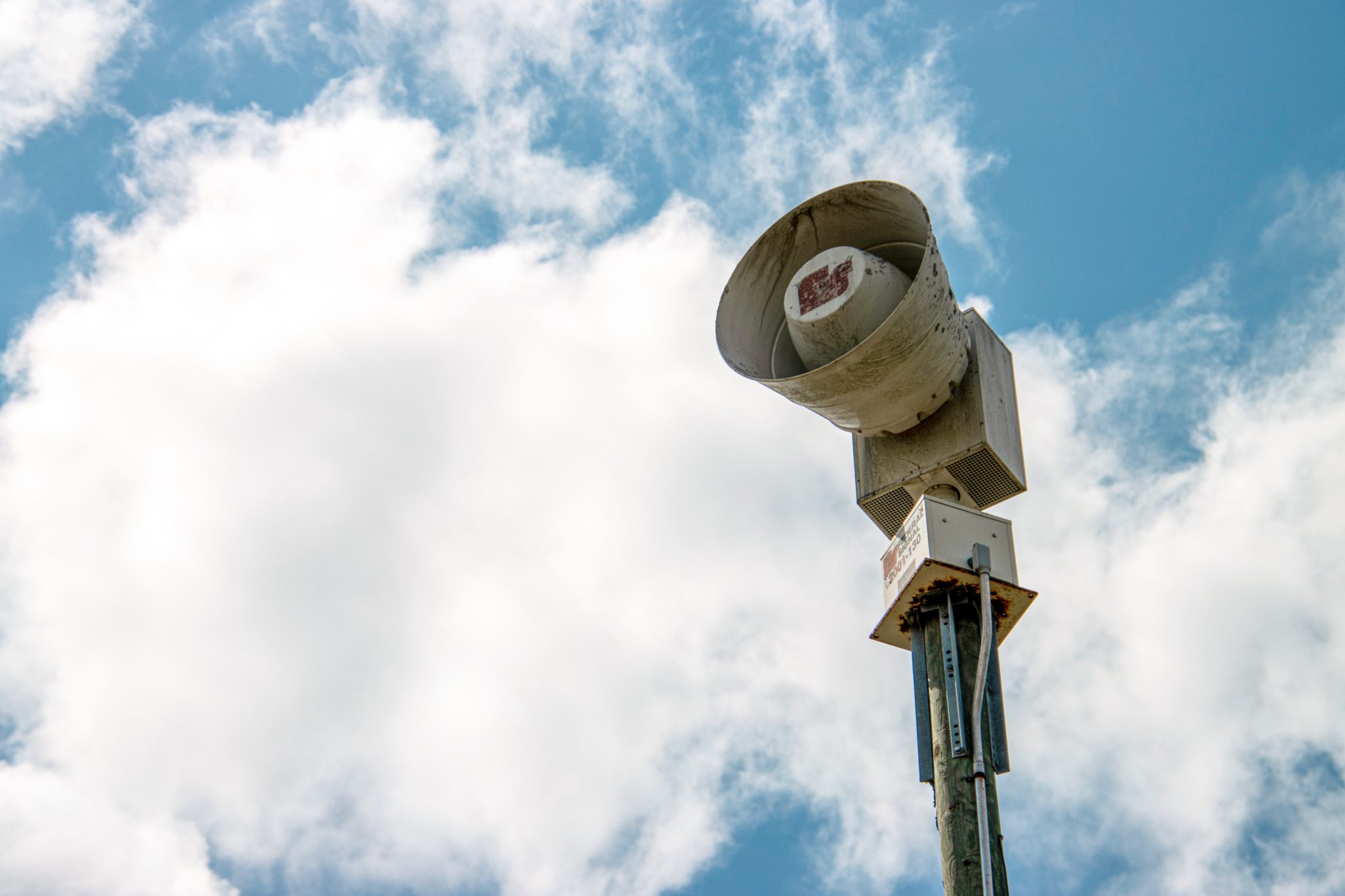
In Spring 2023, I was servicing an account when a tornado warning was issued for the area. My customer was concerned for my safety and ushered me into their brand new (one month old) outdoor emergency shelter. There I stood, packed like sardines, with six other people, and a dog, in a 5ft x 5ft x 8ft bunk house. The humidity was high. The body heat was intense. Cell service was sketchy. The employee’s dog was irritable. We were safe as the storm bypassed the area.
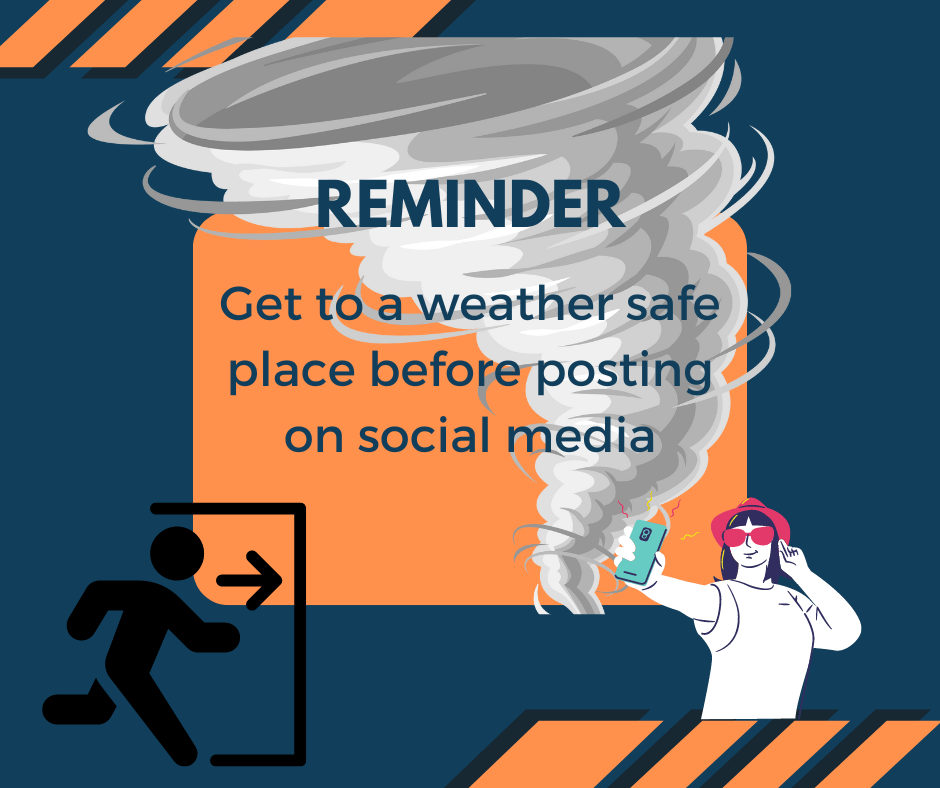
Here in the heart of Tornado Alley, our instincts say, we like to think we are prepared. But are we really? The chances are higher that we’ll grab a lawn chair, iced tea, and our camera to record the mayhem like some type a rouge news reporter. Getting the best photo might increase our social media following, but it could decrease our life expectancy. My dad barbequed through a tornado once, saying he wasn’t going to let great steaks go to waste. We ate supper in the storm cellar that night.
Pest control workers are subjected to some damp, dark, and dank conditions, and we take safety measures to go home in one piece. Weather is also one of those hazards we need to prepare for. Find out where your customer’s huddle areas are, and make sure you know their protocol for evacuation. Getting to a shelter can reduce the risk to life, health, property, and sometimes, your sanity. That basement crawlspace you were inspecting might be the perfect place to stay. Did I see a secret wine cellar behind the door?

Our work vehicles aren’t the best place to stay when severe weather approaches, as they are rolling lightning rods, even though they are somewhat grounded by rubber tires. Parking under bridges or trees is frowned upon. Strong and steady winds can break tree limbs and trap you in a vehicle. Wind will swirl under the bridges, similar to a mini tornado, and may cause your vehicle to roll over or move back into traffic. At least you didn’t get hail damage, right?
Pest professionals work with a variety of clients: residential, commercial, industrial, and warehousing. Each type of client has plans and protocols for safety of people and property. It isn’t necessary that you know exactly what those are, but some regular and ongoing communication will help us protect ourselves when severe weather is impending.
It’s likely that your employer has evacuation protocols in place. Reviewing the safety plan should be part of initial training. Participating in mock drills will keep the information fresh and all of us safe. The information we don’t listen to from an airline flight attendant is the same information we should heed to in ANY emergency: Secure You Own Safety, Then Help Others.
Discover more from Pest Control Chatter
Subscribe to get the latest posts sent to your email.
 Pest Control Chatter