
Please don’t tell me I am Lollygagging. I am most definitely Dilly-Dallying. And it’s only because my worn-out safety-toed work boots have torn a blister on my heel. This pair of leather made footwear have given me a year’s worth of comfort and support. They smell like dead mice. There is pesticide residue on the laces. They have scuffs and scratches. It’s likely time to say goodbye to these faithful old soles.
I hate buying new work boots. They cost a lot of money. The store almost never has my size or the color I want. It takes forever to break them in. They never fit right for me. Women have a challenge when it comes to proper fitting personal protective equipment (PPE). This includes work shoes.
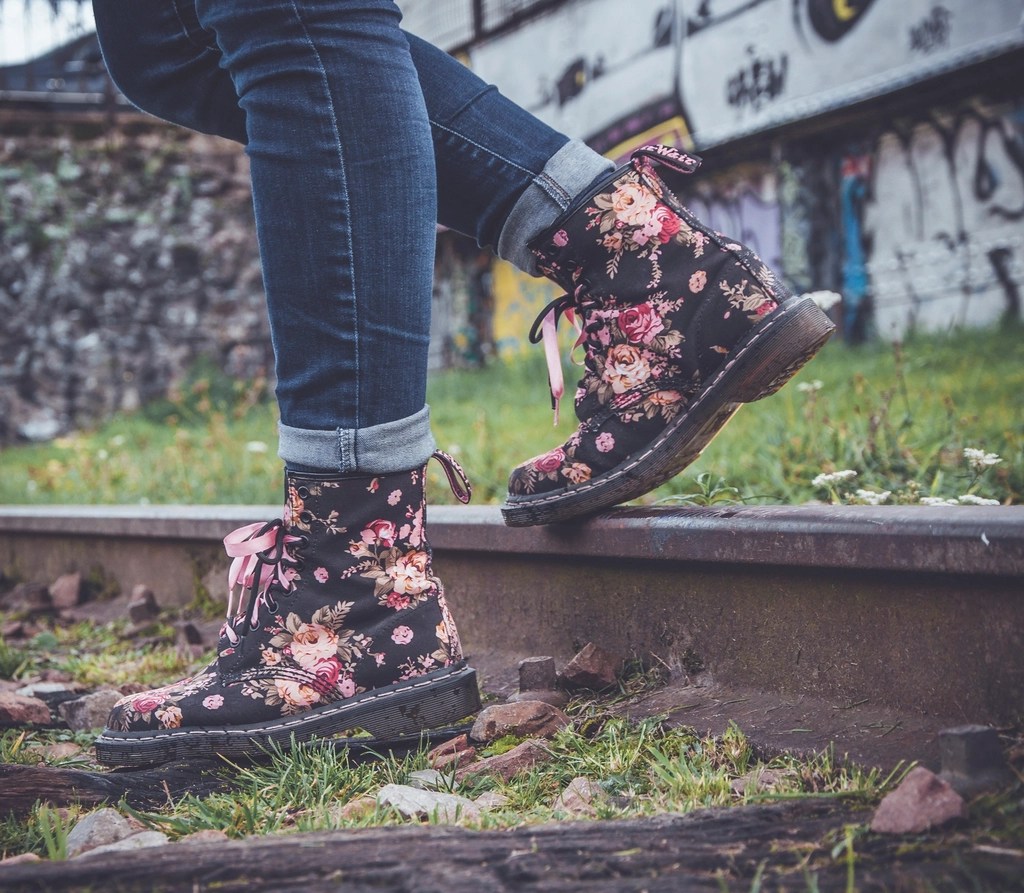
In pest management, certain criteria need to be considered when outfitting your trusty tootsies. Strong, sturdy, waterproof, good construction. Sounds like we’re shopping for a house. Well, maybe protection to house your feet and ankles. Slip resistant outsoles are helpful, as pest pros work with chemicals that can be oily. Working on or near wet surfaces heeds precautionary measures. Foot injuries from ill-fitting shoes reach near 120,000 each year.
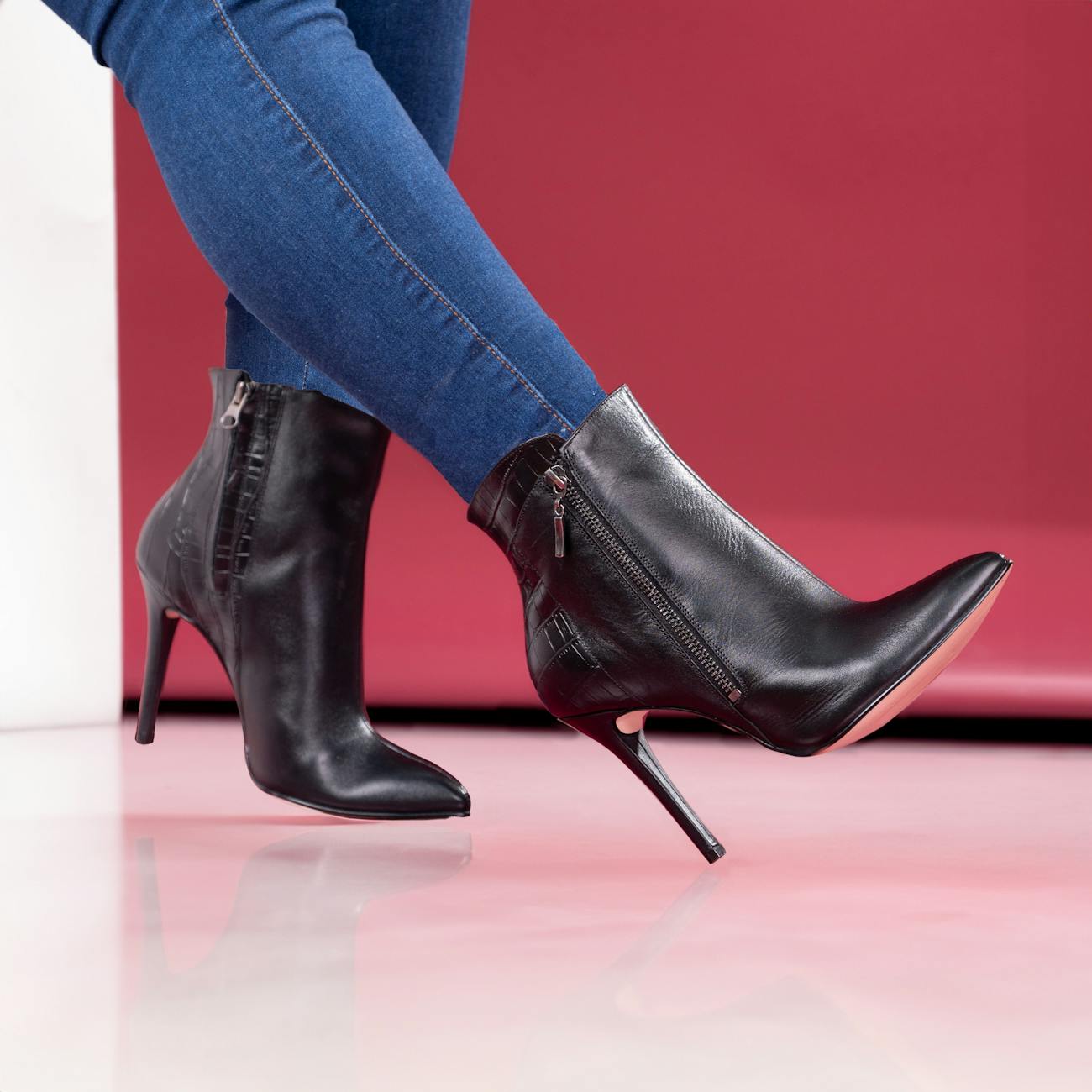
What’s your favorite work shoe style? Pull-on. Zippered side. Laces. Tall, mid, short? Cowboy boot. Hiker. Leather, cloth, mesh? Do you like them vented or insulated? You might prefer a running shoe style. I don’t trust the sneaker style safety footwear. They seem flimsy. (Clown shoes would be a better choice) Open toed shoes, beach sandals, and stilettos are not considered standard for pest management industry field staff.
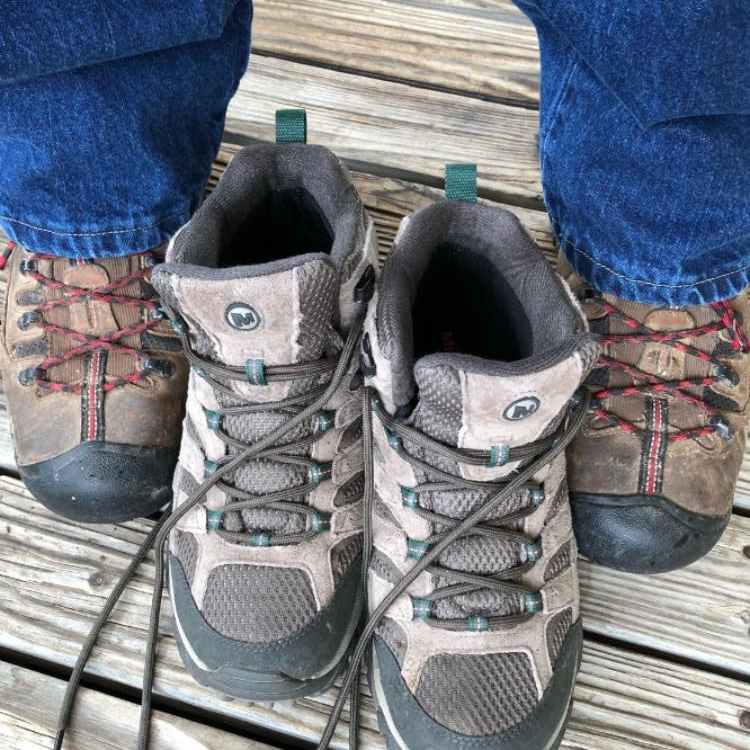
I prefer a mid-ankle height hiking boots with laces. Give me basic brown or tan with some offset color stitching: to match my business branding of course. Many brands and styles of work boots have graced my feet. Some were cheap (not the best comfort). Some were thin soled (not the best protection). Some were too heavy (not great for being on your feet all day). I actually broke my ankle while wearing a brand-new pair of low-ankle height boots. Those boots didn’t protect like they should have. I now wear a style that covers my ankle.
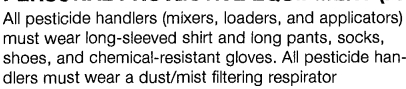
I reviewed several pest control product labels for criteria on work boots. They don’t specify if shoes should be waterproof, leather, durable materials, or chemical resistant. The only statement is that shoes are required when mixing, handling, or loading pesticides. But, if other types of personal protective equipment (PPE) have this requirement, your feet should be protected with equal quality. Right?
Whatever shoes you choose for making your toes smile, pick a pair that will keep your feet dry, supported, have good ground contact, are comfortable, and are generally appropriate for the work environment you spend your time in. Make sure you are following your company protocols for footwear. When thinking about safety, don’t let cost be a factor in prevention of being the safest version of yourself. Cheap may save you money today, but the future could be costly.
Discover more from Pest Control Chatter
Subscribe to get the latest posts sent to your email.
 Pest Control Chatter